
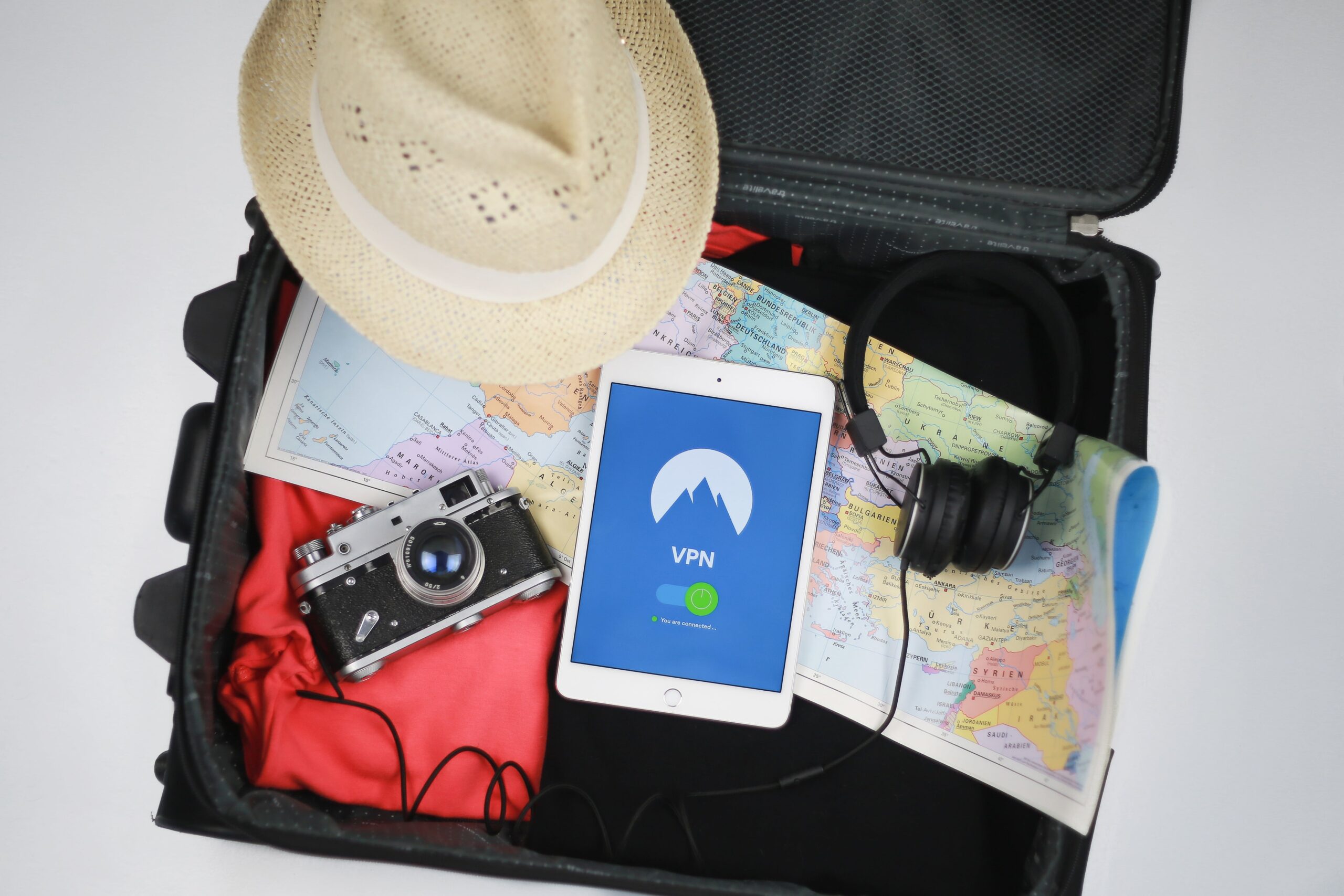
Packing for a trip can be exciting, but deciding what to bring is not always easy. Whether you are preparing for a weekend getaway, a family vacation, a business trip, or an international adventure, having the right travel essentials can make your journey much more comfortable.
Many travelers make the mistake of packing too many clothes while forgetting small but important items that can make a big difference. A missing phone charger, uncomfortable walking shoes, or poorly organized luggage can quickly turn a relaxing vacation into a stressful experience.
The best way to prepare is to focus on practical items that serve a clear purpose. You do not need to purchase expensive travel accessories or fill your suitcase with unnecessary gadgets. Instead, choose useful products that help you stay organized, comfortable, and prepared throughout your journey.
In this guide, we will explore 10 essential travel items you should consider packing for almost every trip. From everyday travel accessories to useful organization tools, these recommendations can help you pack smarter and enjoy a smoother travel experience.
1. Packing Cubes: Keep Your Luggage Organized
Packing cubes are among the most useful essential travel items for keeping your suitcase organized.
Instead of placing everything directly into your luggage, packing cubes allow you to separate clothing into smaller compartments. You can organize shirts, pants, underwear, accessories, and other belongings according to your needs.
This simple organization system makes it easier to find what you need without unpacking your entire suitcase.
Why Packing Cubes Are Useful
- Separate clean clothes from other belongings.
- Organize clothing by category or outfit.
- Make unpacking at hotels easier.
- Help keep your suitcase neat.
- Make it easier to identify items quickly.
Packing cubes are especially helpful for family vacations because each traveler can use a different cube or set.
When choosing packing cubes, look for lightweight fabric, durable zippers, and different sizes. Compression-style cubes may also help reduce the space occupied by certain clothing items, although they do not necessarily reduce the total weight of your luggage.
Packing Tip: Use one cube for everyday outfits, another for sleepwear, and a separate pouch for underwear and socks.
2. Portable Charger: Keep Your Devices Powered
A portable charger is one of the most practical essential travel items for modern travelers.
Your smartphone is often your most important travel tool. You may use it for navigation, digital boarding passes, hotel reservations, translation, photography, and communication.
However, using these applications throughout the day can drain your battery quickly.
A portable charger allows you to recharge your phone when an electrical outlet is unavailable.
What to Look for in a Portable Charger
- Battery capacity that matches your needs.
- Compact and lightweight design.
- Compatibility with your devices.
- Appropriate charging speed.
- Reliable safety certifications.
- Convenient charging ports.
For short day trips, a smaller portable charger may be enough. Travelers who use multiple devices or spend long hours sightseeing may prefer a higher-capacity model.
Before flying, check your airline’s rules for carrying power banks. Most airlines require spare lithium batteries and power banks to be carried in carry-on baggage rather than checked luggage, but applicable capacity limits and procedures should be verified with your airline.
Packing Tip: Charge your portable charger fully before leaving home, and keep its cable in a small electronics pouch.
3. Universal Travel Adapter: Stay Connected Abroad
If you are traveling internationally, a universal travel adapter can be extremely useful.
Electrical outlets and plug shapes vary between countries. An adapter helps connect compatible devices to different outlet types.
For example, travelers from the United States visiting many European destinations may need an adapter because the plug shapes are different.
However, remember that a plug adapter does not automatically convert electrical voltage.
Before using an electronic device abroad, check its input voltage specifications. Many modern phone and laptop chargers support a range of voltages, but some appliances may require a separate voltage converter.
Features to Consider
- Compatibility with your destination’s outlet types.
- Multiple USB charging ports.
- Compact design.
- Built-in safety protection.
- Compatibility with your devices’ power requirements.
If you frequently travel internationally, purchasing a reliable universal adapter can be a practical long-term investment.
Packing Tip: Check your destination’s electrical standards before departure instead of assuming one adapter works everywhere.
4. Comfortable Walking Shoes: Explore Without Discomfort
Comfortable walking shoes are essential for almost every type of vacation.
Whether you are exploring city streets, visiting museums, walking through markets, or sightseeing in historic neighborhoods, you may spend several hours on your feet.
Uncomfortable shoes can make even the most beautiful destination difficult to enjoy.
When choosing travel shoes, consider:
- Proper fit and support.
- Comfortable cushioning.
- Breathable materials.
- Good traction.
- Lightweight construction.
- Suitability for the destination’s weather.
It is usually better to bring shoes you have already worn and tested rather than packing brand-new footwear for a long vacation.
If your itinerary includes hiking, beaches, or formal events, you may need additional footwear.
Packing Tip: Wear your bulkiest pair of shoes during the flight to save suitcase space.
5. Reusable Water Bottle: Stay Hydrated on the Go
A reusable water bottle is a simple item that can make traveling more convenient.
Walking around unfamiliar cities, spending time at airports, and exploring outdoor attractions can make it easy to forget to drink enough water.
Carrying your own bottle allows you to refill it when safe drinking water is available.
Benefits of Bringing a Reusable Water Bottle
- Reduces the need to purchase disposable bottles.
- Helps you stay hydrated throughout the day.
- Can be refilled at suitable water stations.
- Saves space compared with carrying several disposable bottles.
- Offers a convenient way to carry drinking water.
Choose a bottle that is easy to clean and fits comfortably inside your day bag.
If you are traveling somewhere where tap water is not considered safe to drink, follow local public health guidance. Use sealed bottled water or an appropriate water treatment method when necessary.
Packing Tip: Empty your water bottle before going through airport security and refill it after screening where permitted.
6. Travel Toiletry Bag: Organize Your Personal Care Items
A travel toiletry bag helps keep your personal care products organized and prevents small items from getting lost inside your suitcase.
Instead of packing toiletries loosely, place them in one designated bag.
You can organize items such as:
- Toothbrush and toothpaste.
- Shampoo and conditioner.
- Face cleanser.
- Moisturizer.
- Sunscreen.
- Deodorant.
- Hairbrush.
- Personal hygiene products.
Look for a toiletry bag with separate compartments, easy-to-clean material, and a secure zipper.
Water-resistant fabric can also be helpful if a bottle leaks during transportation.
For carry-on luggage, remember that liquids, gels, and aerosols are subject to airport security rules. In the United States, TSA generally applies the 3-1-1 liquids rule to carry-on liquids, with certain exceptions.
Check the latest TSA guidance before departure: https://www.tsa.gov/travel/security-screening/liquids-rule
Packing Tip: Place liquid products inside a sealed bag to reduce the risk of spills.
7. Travel Neck Pillow: Make Long Journeys More Comfortable
Long flights, train rides, and bus journeys can be tiring, especially when you have limited space to rest.
A travel neck pillow may provide additional support and make it easier to relax during transportation.
There are several types available:
- Memory foam neck pillows.
- Inflatable travel pillows.
- Microbead pillows.
- Adjustable support pillows.
- Compact foldable designs.
The best option depends on your personal comfort preferences and how much luggage space you have.
Some travelers prefer memory foam because of its supportive feel, while others choose inflatable models because they are easier to pack.
A neck pillow is not essential for every trip, but it can be a helpful accessory for long-distance travel.
Packing Tip: Choose a lightweight design that can attach to your carry-on bag if you do not want to place it inside your suitcase.
8. Lightweight Day Backpack: Carry Your Daily Essentials
A small day backpack is one of the most versatile essential travel items.
While your main suitcase stays at the hotel or accommodation, a day backpack allows you to carry the items you need while sightseeing.
It can hold:
- Phone and wallet.
- Water bottle.
- Sunglasses.
- Light jacket.
- Camera.
- Snacks.
- Travel documents.
- Portable charger.
For sightseeing, choose a backpack that is comfortable, lightweight, and appropriately sized.
Useful features may include padded shoulder straps, multiple compartments, water-resistant fabric, and secure closures.
If you are visiting crowded tourist areas, consider a design that helps protect your valuables and keep important belongings close to you.
Packing Tip: Avoid carrying unnecessary valuables in your day backpack. Bring only what you expect to use during the day.
9. Luggage Tags and a Secure Travel Document Organizer
Luggage tags and document organizers may seem like small accessories, but they can make travel easier.
A luggage tag helps identify your suitcase if it becomes separated from you during transportation.
Choose a durable tag that does not expose unnecessary personal information to strangers.
A travel document organizer can also keep important papers together.
Depending on your needs, it may hold:
- Passport.
- Boarding pass.
- Hotel confirmation.
- Travel insurance details.
- Transportation reservations.
- Emergency contact information.
Many travelers now use digital boarding passes and electronic reservations, but keeping essential information accessible offline can still be helpful.
For additional security, consider keeping backup copies of important documents in a separate location from the originals.
Packing Tip: Put your full name and a contact method on your luggage tag, but avoid displaying your complete home address publicly.
10. Small First-Aid Kit and Personal Medication
A small first-aid kit is a useful addition to your travel essentials.
Minor problems such as blisters, small cuts, headaches, or stomach discomfort can happen while traveling.
Having a few basic supplies available may help you manage minor issues without searching for a pharmacy immediately.
Consider packing:
- Adhesive bandages.
- Blister protection.
- Antiseptic wipes.
- Gauze pads.
- Personal prescription medication.
- Any over-the-counter medication you normally use and can legally bring.
If you take prescription medication, keep it in its original labeled packaging when possible and carry it in your hand luggage.
For international travel, research medication import rules for your destination. Some medicines that are common in one country may be restricted in another.
For longer trips or destinations with limited medical facilities, speak with a healthcare professional about what supplies are appropriate.
Packing Tip: Keep essential medication accessible rather than placing it in checked luggage.
Bonus: How to Choose the Right Travel Essentials Without Overspending
You do not need to purchase every travel accessory available online.
The best travel essentials are items that solve a real problem and make your journey more comfortable.
Before buying something, ask yourself:
- Will I actually use this item during my trip?
- Does it solve a specific packing or travel problem?
- Is it compatible with my luggage and electronic devices?
- Is it lightweight and easy to carry?
- Can I use it for future trips?
For example, a packing cube set may be useful if you travel frequently, while a universal travel adapter may be a better priority if you regularly visit different countries.
Compare product specifications, customer reviews, warranty information, and return policies before purchasing.
Remember that an expensive travel accessory is not automatically better than a simple, well-designed alternative.
Essential Travel Items Checklist
Before leaving home, use this checklist to make sure you have packed the basics.
- Packing cubes
- Portable charger
- Universal travel adapter, if needed
- Comfortable walking shoes
- Reusable water bottle
- Travel toiletry bag
- Travel neck pillow, if needed
- Lightweight day backpack
- Luggage tags and document organizer
- Small first-aid kit and personal medication
Your exact packing list should depend on your destination, trip length, weather, activities, and airline baggage restrictions.
Frequently Asked Questions About Essential Travel Items
1. What are the most important items to pack for any trip?
The most important items include your identification and travel documents, payment methods, phone, charger, necessary medication, comfortable clothing, and toiletries.
Additional travel accessories depend on your destination and travel style.
2. What should I bring on an international flight?
For an international flight, keep your passport, required travel documents, phone, charging accessories, medication, valuables, and a few personal comfort items in your carry-on bag.
Check your airline’s baggage rules and airport security requirements before departure.
3. Are packing cubes worth buying?
Packing cubes can be useful for organizing clothing and making luggage easier to manage. They are particularly helpful for longer trips, family vacations, and travelers who frequently move between accommodations.
However, they are optional rather than necessary.
4. Do I need a universal travel adapter?
You may need one when traveling to countries with different electrical outlet types. Check the plug type and voltage requirements of your destination before choosing an adapter.
Remember that an adapter and a voltage converter serve different purposes.
5. What travel essentials should I keep in my personal item?
Consider keeping your passport, wallet, phone, medication, headphones, charger, travel documents, and a few personal comfort items in your personal bag.
Important valuables and essential medication should remain accessible during your journey.
6. How can I pack travel essentials without overpacking?
Choose versatile items, use packing cubes, plan outfits in advance, and avoid bringing products you can easily purchase at your destination.
A checklist can help you avoid both forgotten essentials and unnecessary belongings.
Final Thoughts: Pack Smart and Enjoy Every Journey
Having the right travel essentials can make your vacation more comfortable, organized, and enjoyable.
You do not need a suitcase full of expensive accessories to travel well. A few practical items, such as packing cubes, a portable charger, comfortable walking shoes, and a well-organized day backpack, can make a noticeable difference.
The key is to choose products that match your travel habits and destination.
Before your next trip, review this list, prepare your essentials, and pack only what you genuinely need.
A well-prepared traveler can spend less time worrying about forgotten belongings and more time enjoying the experience.
Pack smart, travel comfortably, and make every journey memorable!