
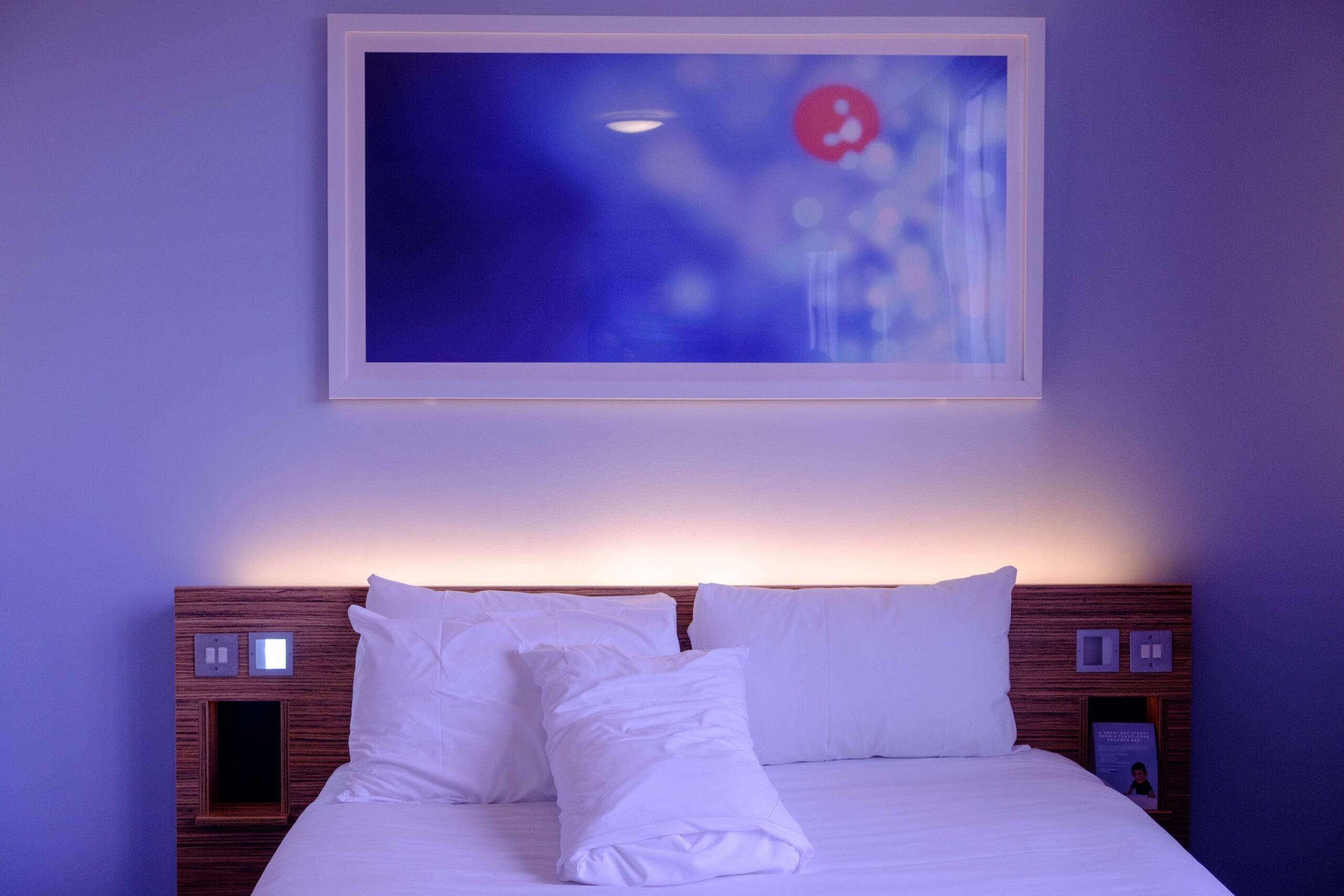
Choosing where to stay is one of the most important parts of planning a successful trip. The right accommodation can make your vacation more comfortable, convenient, and affordable, while the wrong choice can quickly turn an exciting adventure into a stressful experience.
If you are wondering how to choose accommodation that fits your travel style and budget, you need to consider more than just the nightly price. Location, transportation, safety, guest reviews, cancellation policies, and available amenities can all make a significant difference.
Whether you are planning a solo adventure, a family vacation, a romantic getaway, or a backpacking trip through Southeast Asia, finding the right place to stay requires a little research.
In this guide, you will discover 12 practical tips on how to choose accommodation without overspending. You will also learn how to compare hotels, hostels, guesthouses, and vacation rentals so you can make a confident decision before booking.
1. Determine Your Travel Budget Before Booking
The first step in learning how to choose accommodation is setting a realistic travel budget.
Before searching for hotels or vacation rentals, decide how much you can comfortably spend on lodging throughout your trip.
For example, if your total travel budget is $1,500 for ten days, spending $150 per night on accommodation would leave very little money for transportation, food, attractions, and unexpected expenses.
Instead, divide your budget into different categories.
Consider this example:
| Travel Expense | Estimated Budget |
|---|---|
| Accommodation | $400 |
| Food and drinks | $250 |
| Transportation | $250 |
| Activities and sightseeing | $250 |
| Flights | $250 |
| Emergency fund | $100 |
| Total | $1,500 |
These amounts are only an example. Your actual budget will depend on your destination and travel preferences.
When deciding how to choose accommodation, remember that the cheapest room is not always the best deal. A slightly more expensive hotel with breakfast and convenient transportation may save you money overall.
2. Choose the Right Location
Location is one of the most important factors when deciding how to choose accommodation.
A beautiful hotel may look perfect in photographs, but it can become inconvenient if it is far away from the places you want to visit.
Before booking, research the surrounding neighborhood.
Consider the following:
- Distance from major tourist attractions
- Access to public transportation
- Nearby restaurants and grocery stores
- Walking distance to convenience stores
- Neighborhood safety
- Distance from the airport or train station
For example, travelers visiting Bangkok may prefer accommodation near a BTS or MRT station. This can make exploring the city much easier without spending too much on taxis.
In Vietnam, staying near the Old Quarter in Hanoi can provide convenient access to restaurants, markets, and popular attractions.
A good location can reduce transportation expenses and give you more time to enjoy your vacation.
3. Compare Different Types of Accommodation
Another important part of learning how to choose accommodation is understanding the differences between available lodging options.
Not every traveler needs a traditional hotel. Depending on your budget and travel style, a hostel, guesthouse, apartment, or vacation rental may be a better choice.
Hotels
Hotels are suitable for travelers who value convenience, privacy, and professional services.
Common benefits include:
- Private bathrooms
- Daily housekeeping at many properties
- Front desk assistance
- On-site restaurants
- Additional amenities such as gyms and swimming pools
Hotels can be more expensive than other options, but budget hotels and smaller independent properties can offer excellent value.
Hostels
Hostels are popular among backpackers, solo travelers, and budget-conscious visitors.
Many hostels offer shared dormitory rooms at lower prices than traditional hotels.
Some also provide private rooms, shared kitchens, laundry facilities, and social activities.
However, check the room arrangement, bathroom facilities, quiet hours, and security features before booking.
Guesthouses
Guesthouses can provide a comfortable and affordable alternative to hotels.
They are often smaller properties operated by local owners and may offer a more personal experience.
They are especially popular in destinations such as Thailand, Vietnam, and Cambodia.
Vacation Rentals
Vacation rentals are useful for families, couples, and travelers planning longer stays.
They may provide kitchens, laundry machines, separate bedrooms, and additional living space.
Before booking, review cleaning fees, house rules, security arrangements, and cancellation conditions.
The best accommodation type depends on your priorities, not simply the number of stars.
4. Read Recent Guest Reviews Carefully
Online reviews can help you understand what a property is really like.
However, do not focus only on the overall rating.
When researching how to choose accommodation, read recent reviews and look for repeated comments about important issues.
Pay particular attention to:
- Cleanliness and housekeeping
- Noise levels
- Staff friendliness
- Wi-Fi reliability
- Bed comfort
- Bathroom conditions
- Neighborhood convenience
- Accuracy of property photographs
For example, a hotel may have an excellent overall rating, but several recent guests might mention construction noise or unreliable air conditioning.
Those details could significantly affect your stay.
It is also helpful to compare reviews across more than one booking platform when possible.
5. Check the Total Price, Not Just the Nightly Rate
One common mistake travelers make is comparing accommodation based only on the advertised nightly price.
The final amount may include additional expenses such as:
- Taxes
- Resort fees
- Cleaning fees
- Service charges
- Extra guest charges
- Parking fees
- Breakfast costs
For example, a vacation rental advertised at $80 per night may become more expensive than a $100 hotel room after cleaning fees and other charges are included.
Always compare the final booking price before making a decision.
This is especially important for budget travelers trying to control their total vacation expenses.
6. Understand the Cancellation Policy
Travel plans can change unexpectedly.
Flights may be delayed, family circumstances may change, or weather conditions may affect your itinerary.
That is why cancellation policies should be part of your accommodation research.
Many properties offer different booking conditions.
Flexible Reservations
These reservations may allow cancellation before a specified deadline without a cancellation fee.
They can be useful when your travel plans are not completely confirmed.
Nonrefundable Reservations
Nonrefundable rooms are sometimes offered at lower prices.
However, you may lose the payment if you cancel.
Before choosing this option, make sure your dates and travel arrangements are confirmed.
Always read the cancellation deadline, refund conditions, and payment terms before completing a reservation.
7. Prioritize Safety and Security
Safety should never be overlooked when deciding how to choose accommodation.
This is particularly important for solo travelers and people visiting unfamiliar destinations.
Before booking, investigate the neighborhood and check the property’s security arrangements.
Look for features such as:
- Secure entrance systems
- Well-lit common areas
- Working door and window locks
- Reliable front desk assistance
- Smoke alarms and fire safety equipment
- Clear emergency exit information
If you are arriving late at night, consider choosing a property with 24-hour reception or reliable late check-in arrangements.
The U.S. Department of State also provides helpful guidance about selecting safe lodging and checking room security.
You can read its official Lodging Safety Guide.
A convenient location and reasonable security measures can make your travel experience more comfortable.
8. Check the Amenities You Actually Need
Not every traveler needs the same amenities.
A luxury swimming pool may be important for a resort vacation, while reliable Wi-Fi may be essential for a digital nomad.
Make a list of your must-have features before comparing properties.
Some useful amenities include:
- Free Wi-Fi
- Complimentary breakfast
- Air conditioning
- Laundry facilities
- Kitchen access
- Free parking
- Airport shuttle service
- Swimming pool
- Fitness center
- Luggage storage
For longer trips, laundry facilities and kitchen access can help reduce daily expenses.
For short city breaks, convenient transportation and luggage storage may be more valuable.
The key is to avoid paying extra for facilities you probably will not use.
9. Consider Transportation and Accessibility
A hotel may appear affordable until you calculate the daily transportation costs.
For example, staying far outside a city center might save $20 per night. However, spending $15–$25 every day on transportation could eliminate those savings.
Before booking, check:
- Nearby bus and train stations
- Airport transportation options
- Walking distances
- Taxi availability
- Parking arrangements
- Accessibility features if needed
Google Maps can help you estimate distances and explore nearby streets.
For travelers visiting several attractions in one day, staying near public transportation can make the entire itinerary easier.
10. Book at the Right Time
Timing can influence accommodation prices.
Prices may increase during holidays, festivals, major sporting events, and peak tourist seasons.
If your dates are flexible, compare several travel dates before booking.
Some useful strategies include:
- Travel during shoulder seasons.
- Avoid major local holidays when possible.
- Compare weekday and weekend prices.
- Check prices at different booking platforms.
- Monitor hotel rates before your trip.
- Contact the property directly to confirm important details.
For popular destinations, booking earlier may provide more choices.
However, there is no universal rule that booking a certain number of days in advance always guarantees the lowest price.
Compare the actual prices and booking conditions rather than relying on general assumptions.
11. Compare Booking Platforms and Direct Hotel Websites
Different booking websites may display different prices, room types, and cancellation conditions.
When researching how to choose accommodation, compare several sources before making your final reservation.
Some useful platforms include:
- Booking.com – Hotels, apartments, guesthouses, and other lodging options.
- Agoda – Hotels and accommodation, particularly useful when researching destinations in Asia.
- Hotels.com – Hotel search and reservation options.
- Airbnb – Apartments, houses, and vacation rentals.
- Official hotel websites – Direct property information and reservation conditions.
Do not automatically choose the cheapest listing.
Check whether breakfast is included, whether the reservation is refundable, and whether the room category is identical.
Also verify the property address and avoid sending money outside the booking platform when using a third-party rental service.
The U.S. Federal Trade Commission offers additional advice on avoiding travel scams in its travel scam prevention guide.
12. Match Your Accommodation to Your Travel Style
The final step is choosing accommodation that fits the purpose of your trip.
Different trips require different priorities.
Solo Travelers
Solo travelers may prefer centrally located hostels, guesthouses, or hotels with secure entrances and convenient transportation.
A private room may be worth the additional cost if privacy and quiet are important.
You can also read our guide to Solo Travel for Beginners for more independent travel planning advice.
Couples
Couples may prefer boutique hotels, private apartments, or comfortable guesthouses.
Look for a convenient location, comfortable beds, and amenities that make the trip relaxing.
Families
Families should prioritize room size, separate sleeping arrangements, safety, and convenient access to restaurants and family-friendly attractions.
A vacation rental with a kitchen and laundry facilities may be particularly useful for longer trips.
Budget Backpackers
Backpackers may find hostels and affordable guesthouses more suitable.
Prioritize cleanliness, secure luggage storage, reliable transportation, and access to affordable local restaurants.
The best accommodation is the one that supports your travel experience without putting unnecessary pressure on your budget.
Common Accommodation Booking Mistakes to Avoid
Even experienced travelers can make mistakes when booking a place to stay.
Here are several problems worth avoiding:
- Choosing a property based only on its photographs.
- Ignoring recent negative reviews.
- Forgetting to calculate taxes and additional fees.
- Booking a nonrefundable room before confirming travel dates.
- Overlooking transportation expenses.
- Failing to check the exact property location.
- Assuming all listed amenities are included in the room price.
- Ignoring check-in and check-out times.
- Booking without checking guest and occupancy restrictions.
- Making payments through unofficial channels.
Taking a few extra minutes to verify these details can prevent unnecessary stress and expenses.
Frequently Asked Questions About How to Choose Accommodation
What is the best website for booking accommodation?
There is no single best website for every traveler. Booking.com, Agoda, Hotels.com, and Airbnb offer different property types and booking conditions. Compare the final price, cancellation policy, and property details before choosing.
Is it cheaper to book directly with a hotel?
Sometimes. Hotels may offer direct-booking promotions or additional benefits, but third-party platforms can also have competitive prices. Compare the same room type and booking conditions before deciding.
How far in advance should I book accommodation?
It depends on the destination, season, and property. For major holidays and popular destinations, booking earlier generally gives you more choices. For flexible trips, compare prices over time.
Should I choose a hotel or an Airbnb?
Hotels are often more convenient for short stays and travelers who prefer front desk assistance. Airbnb properties may be useful for families or longer stays that require kitchens and additional living space. Compare total costs and house rules.
How can I find affordable accommodation in popular destinations?
Consider staying slightly outside the busiest tourist areas, traveling during shoulder seasons, comparing different property types, and checking public transportation access.
What should I check before confirming a hotel reservation?
Confirm the property address, room type, total price, taxes, cancellation policy, check-in time, included amenities, and guest restrictions.
Final Thoughts: Choose Accommodation That Makes Your Trip Better
Learning how to choose accommodation is an important part of becoming a smarter traveler.
The right place to stay does not have to be the most expensive hotel or the property with the most impressive photographs.
Instead, focus on what matters most for your trip: a convenient location, a comfortable room, reasonable pricing, reliable reviews, and suitable amenities.
Take time to compare your options, read the booking conditions, and calculate the total cost before making a reservation.
Whether you are exploring Southeast Asia on a tight budget, enjoying a relaxing beach vacation, or planning your first solo adventure, thoughtful accommodation choices can help you travel with greater confidence.
A good trip starts with a good plan, and finding the right place to stay is one of the best ways to make every travel experience more enjoyable.