
Everything you need to explore Thailand’s most beloved city — without blowing your budget.
Table of Contents
- Why Chiang Mai Is the Ultimate Budget Travel Destination
- Is $30 a Day in Chiang Mai Actually Realistic?
- Where to Stay in Chiang Mai on a Budget
- What to Eat — and What to Pay
- Getting Around Chiang Mai for Almost Nothing
- The Best Things to Do in Chiang Mai on a Budget
- Day Trips Worth Every Baht
- The Full Daily Budget Breakdown
- Chiang Mai Budget Tips Nobody Tells You
- Best Time to Visit Chiang Mai on a Budget
Why Chiang Mai Is the Ultimate Budget Travel Destination
If you’ve been dreaming about Chiang Mai on a budget, you’ve picked the right city.
Tucked into the mountainous north of Thailand, Chiang Mai is one of Southeast Asia’s most extraordinary cities — and one of its most affordable. It has the ancient temple density of Kyoto, the food culture of a city ten times its size, lush jungle surrounding it on every side, and a slow, livable pace that makes it equally magnetic for first-time backpackers and long-term digital nomads.
People come to Chiang Mai for a week and stay for months. The reason is simple: the quality of life per dollar spent is unmatched almost anywhere on earth.
This is the complete guide to Chiang Mai on $30 a day — what that budget gets you, where to stay, what to eat, what to do, and how to make every baht count. Every number in this guide is based on real spending, not estimates.
Is $30 a Day in Chiang Mai Actually Realistic?
Yes — and it’s comfortable, not spartan.
Here’s what $30 a day covers in Chiang Mai:
- A clean private room in the Old City: $10–12
- Three full meals at local restaurants and street stalls: $7–9
- Local transport (songthaews, bicycle rental): $2–3
- Daily activity or temple visit: $3–6
- Snacks, water, incidentals: $2–3
Total: $24–33 per day
The $30 daily budget in Chiang Mai gives you a private room, excellent food, and genuine cultural experiences every single day. You are not eating plain rice and sleeping in a closet. You are living well by any reasonable standard.
Where you land within that range depends largely on how many paid activities you do, whether you drink alcohol, and whether you eat at local spots or drift toward tourist-facing restaurants.
Where to Stay in Chiang Mai on a Budget
Chiang Mai has three main areas for budget travelers. Here’s an honest breakdown of each.
The Old City (Inside the Moat) — Best Overall
The Old City is the historic heart of Chiang Mai, enclosed by a square moat and ancient walls. It’s the most atmospheric area to stay — walkable to the majority of temples, the Saturday and Sunday Night Markets, cooking schools, and the best street food clusters.
Budget guesthouses in the Old City range from $8–15/night for a private room with air conditioning and hot shower. At this price point, quality is genuinely good — wooden guesthouses with garden common areas, helpful staff, and clean rooms are the norm, not the exception.
Best for: First-time visitors, those without motorbikes, anyone wanting maximum walkability.
Recommended approach: Don’t book everything online. Walk the Old City on your first afternoon and check a few guesthouses in person. Many of the best ones don’t list online, and face-to-face negotiation — especially for stays of 4+ nights — often yields 10–20% off the listed price.
Nimman (Nimmanhaemin Road) — Best for Digital Nomads
Nimman is Chiang Mai’s trendy, coffee-shop-dense neighborhood west of the Old City. It’s where the digital nomad community concentrates — excellent co-working spaces, reliable fast WiFi in most cafés, and a walkable strip of independent restaurants, bookshops, and boutiques.
Budget accommodation here runs slightly higher at $12–18/night, but the neighborhood vibe and infrastructure can be worth the premium if you’re working remotely.
Riverside (Ping River Area) — Most Relaxed Atmosphere
East of the Old City, the Ping River area has a quieter, more local feel. Guesthouses here are often set in traditional Thai houses with river views. Prices are similar to the Old City — $9–14/night — and the slower pace suits travelers who want to escape the tourist center.
What to Eat — and What to Pay
Food is where Chiang Mai on a budget truly shines. Northern Thai cuisine is distinct from the Bangkok-style Thai food most Westerners know — earthier, more herb-forward, less sweet — and it is sensational.
The Must-Eat Dishes in Chiang Mai (and What They Cost)
Khao Soi — $1.50–2.50 The undisputed king of Northern Thai cuisine. A rich coconut curry broth with egg noodles, your choice of protein, crispy fried noodles on top, and a side of pickled mustard greens. Every Chiang Mai visitor owes themselves at least three bowls. The best versions are found at small family-run shops, not restaurants with English menus.
Sai Oua (Northern Thai Sausage) — $0.50–1 per skewer Heavily spiced with lemongrass, galangal, and kaffir lime leaves, grilled over charcoal at market stalls. One of the great street food snacks in all of Southeast Asia.
Laab — $1.50–2 A minced meat salad with toasted rice powder, fish sauce, lime juice, and a serious amount of fresh herbs. Order it with sticky rice, eaten the traditional way — rolled into small balls with your fingers from a woven bamboo basket.
Mango Sticky Rice — $1.50–2 Available everywhere, but quality varies enormously. The best versions use fresh, ripe mango and glutinous rice steamed in coconut cream. At the right stall, it is one of the finest desserts on earth.
Full breakfast at a local shop — $1.50–2.50 Rice porridge (jok), fried rice, or a simple noodle soup. A filling, delicious start to the day for well under $3.
Where to Eat in Chiang Mai on a Budget
Warorot Market (Kad Luang) — The largest local market in Chiang Mai, open from early morning. Ground floor has fresh produce and ready-made food at the lowest prices in the city. Locals do their daily shopping here. Budget travelers should eat here every morning.
Saturday and Sunday Walking Streets — The weekend night markets on Wualai Road (Saturday) and Tha Phae Road (Sunday) are among the best food markets in Thailand. An enormous variety of dishes, fresh fruit smoothies, and local snacks at $1–3 each.
Chang Phueak Gate (North Gate) Night Market — Open nightly, this is the Old City’s best after-dark food cluster. The “cowboy hat lady” khao kha moo stall (braised pork leg over rice) has been here for decades and is worth a special visit. Under $2 for a full plate.
The rule that will save your budget: If a restaurant has laminated photos of dishes and English translations of every item, the price is 2–3x what you’d pay at the local equivalent two streets over.
Getting Around Chiang Mai for Almost Nothing
Chiang Mai is one of the most navigable cities in Southeast Asia for budget travelers.
Bicycle rental — $2–3/day The Old City is flat and compact. Renting a bicycle is the single best way to explore — cheap, flexible, and you discover things you’d never find on a songthaew or taxi. Most guesthouses rent them directly, or there are dedicated rental shops throughout the Old City.
Songthaew (Red Truck) — $0.50–1.50 per ride The red pickup trucks that function as shared taxis are Chiang Mai’s primary public transport. Flag one down, tell the driver your destination, and if they’re heading that way, hop in. For short hops within the city, almost always under $1.
Motorbike rental — $6–10/day Essential for day trips outside the city — Doi Inthanon National Park, Doi Suthep, the Mae Sa Valley. International driver’s license required technically; in practice, most rental shops don’t check. Ride cautiously — motorbike accidents are the most common travel injury in Thailand.
Grab (Southeast Asia’s Uber) — $1.50–4 per ride For late nights or when you have luggage, Grab is reliable and the price is fixed before you book. Significantly cheaper than tourist tuk-tuks, which should be avoided unless you enjoy negotiating.
The Best Things to Do in Chiang Mai on a Budget
Free and Nearly Free
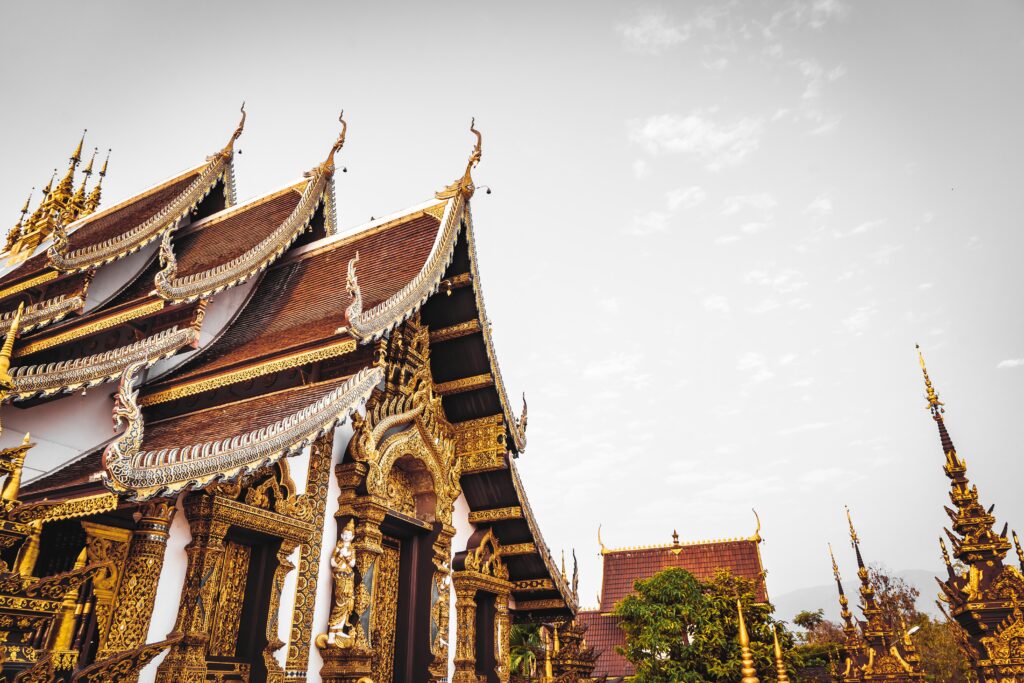
Wat Chedi Luang — Free The most dramatic temple in the Old City — a partially ruined 15th-century chedi (stupa) that once stood over 80 meters tall. The monk chat program here lets you speak with resident monks about Buddhism and daily life. One of the most genuine cultural experiences in Chiang Mai.
Wat Phra Singh — Free The most revered temple in Chiang Mai, housing the Phra Singh Buddha image — one of Thailand’s most sacred. The grounds are expansive and serene, especially early morning before tour groups arrive.
Wat Suan Dok — Free Less visited than the Old City temples and more authentically active as a working monastery. The monk chat program here is excellent. Evening chanting at sunset is open to respectful visitors.
Almsgiving at Dawn — Free Wake up before 6am and watch monks collect alms (food offerings) from residents on the streets of the Old City. Observe respectfully and quietly — this is a sacred daily ritual, not a tourist show.
Old City Walking — Free The Old City’s lanes and alleys reward aimless wandering. Crumbling temple walls draped in vines, street art, neighborhood shrines, cats sleeping on motorbikes. No map needed.
Paid Experiences Worth Every Baht
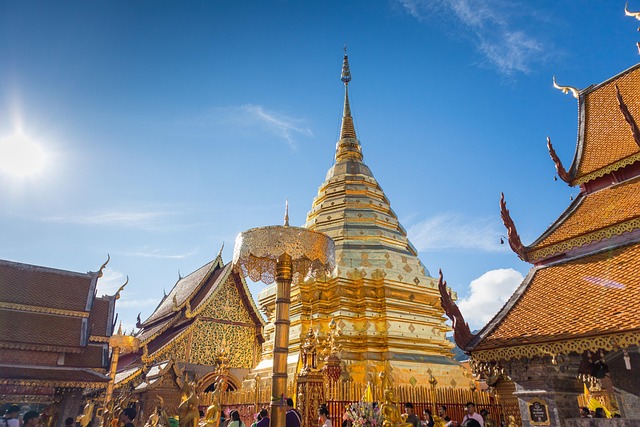
Doi Suthep Temple — $2 entrance + $4 songthaew The golden temple on the mountain overlooking Chiang Mai is non-negotiable. Go at sunrise for the views and the near-absence of crowds. The 309-step naga staircase leading up to the temple is impressive even before you reach the top.
Thai Cooking Class — $20–30 One of the best-value experiences in all of Southeast Asia. A full-day class typically includes a morning market tour, instruction on 4–5 dishes, and eating everything you cook for lunch. You leave with skills, recipes, and a full stomach. Dozens of schools operate in Chiang Mai — look for smaller classes (under 10 people) with good reviews on TripAdvisor.
Doi Inthanon National Park — $18 including transport Thailand’s highest peak, two stunning royal pagodas, waterfalls, and a misty cloud forest that feels nothing like the Thailand most visitors see. Book a shared day trip from the Old City for $15–18 including transport and entrance fees.
Elephant Sanctuary Visit — $60–80 Yes, this is above the daily budget — but it earns a mention. Ethical elephant sanctuaries (no riding, no shows) around Chiang Mai offer half-day visits where you feed, walk with, and bathe elephants. It’s the most expensive item on this list and one of the most extraordinary experiences in Southeast Asia. Save for it.
Day Trips Worth Every Baht
Doi Inthanon National Park — Thailand’s highest mountain, royal pagodas, waterfalls, and a bird-watcher’s paradise. Full day, $15–18 in a shared minivan.
Mae Sa Valley & Samoeng Loop — A 100km motorbike loop north of Chiang Mai through villages, waterfalls, and orchid farms. One of the best half-day rides in Thailand. Cost: motorbike rental + fuel = $8–10.
Chiang Rai Day Trip — The White Temple (Wat Rong Khun) and Blue Temple are worth the 3-hour drive. Shared minivan from Chiang Mai costs $8–10 each way.
Hot Springs at San Kamphaeng — Natural hot springs about 40km east of the city. Songthaew + entrance fee = under $5.
The Full Daily Budget Breakdown
| Category | Budget Option | Mid-Range Option |
|---|---|---|
| Accommodation | $9 (dorm or basic private) | $12 (private guesthouse) |
| Breakfast | $1.50 (local shop) | $2.50 (café) |
| Lunch | $2 (market stall) | $4 (restaurant) |
| Dinner | $2.50 (street food) | $5 (sit-down) |
| Transport | $1.50 (bicycle/songthaew) | $3 (Grab + songthaew) |
| Activity | $3 (temple/walking) | $8 (cooking class day) |
| Snacks & water | $1.50 | $2.50 |
| Daily Total | $21 | $37 |
Average across a typical week: $28–32/day — squarely within the $30 a day Chiang Mai target.
Chiang Mai Budget Tips Nobody Tells You
Negotiate for weekly rates. Any guesthouse will discount 15–25% for a 7-night stay. Ask directly — they rarely advertise it.
Eat breakfast at Warorot Market. It’s where locals eat, the prices are the lowest in the city, and the food is exceptional. A 20-minute walk or $0.50 songthaew from the Old City.
Avoid tuk-tuks for regular transport. They’re fun once as an experience, but they charge tourist prices every time. Songthaews and Grab are cheaper and just as convenient.
The best khao soi is never on the main streets. It’s in the lanes off the main streets, in places without English signs, served by families who’ve been making the same recipe for 30 years.
Go to temples early. Before 8am, the Old City temples are serene, uncrowded, and bathed in golden morning light. By 10am, tour groups arrive and the atmosphere changes completely.
Free coffee refills at co-working cafés. Several cafés near Nimman operate on a buy-one-get-refills model for working guests. A $3 coffee becomes a full workday of drinks.
Best Time to Visit Chiang Mai on a Budget
November – February (Cool Season) — Best weather, highest prices This is peak season. Temperatures drop to a pleasant 15–25°C, skies are clear, and the city is at its most beautiful. Accommodation prices rise 20–40% and the best guesthouses book out weeks ahead. Book early.
March – May (Hot Season) — Cheapest prices, smoky skies The hottest months, with temperatures reaching 38–40°C. March and April also coincide with agricultural burning season, when smoke from surrounding farms creates poor air quality — sometimes quite severe. Prices are lowest and crowds thinnest, but the smoke is a real consideration.
June – October (Rainy Season) — Good value, lush scenery Daily rain, usually in the afternoon, keeps temperatures moderate and the countryside brilliantly green. Waterfalls are at full flow. Prices are mid-range. Rain rarely lasts all day — mornings are typically clear, afternoons wet. The best shoulder-season value for Chiang Mai budget travel.
Songkran (Thai New Year, April 13–15) — Unique but expensive Chiang Mai hosts Thailand’s most famous Songkran water festival. Prices triple, the Old City becomes a city-wide water fight for three days, and it’s genuinely one of the world’s great street celebrations. Plan and book months ahead if you want to experience it.
Quick Budget Summary
| Category | Daily Cost |
|---|---|
| Accommodation | $10–12 |
| Food (3 meals + snacks) | $8–10 |
| Transport | $2–3 |
| Activities | $3–6 |
| Total | $23–31/day |
Chiang Mai on $30 a day is not just achievable — it’s a genuinely rich, full experience of one of Asia’s great cities. You’ll eat better, see more, and feel more connected to the place than travelers spending three times as much at boutique hotels and tourist restaurants.
The city rewards the curious, the unhurried, and the hungry. Arrive with an open schedule, follow the smell of charcoal and lemongrass, and let Chiang Mai do the rest.
Have a Chiang Mai budget tip that’s worked for you? Drop it in the comments — the best advice comes from people who’ve been there.
Related Posts:
- How I Planned a 3-Week Trip to Southeast Asia for Under $1,500
- 31 Budget Travel Tips: Save Big and Travel More
- Ha Long Bay on a Budget: How to Find the Best Cheap Cruise
- The Best Street Food Cities in Southeast Asia (Ranked)
- Bangkok on a Budget: The Complete Guide EOF
4 thoughts on “Chiang Mai on a budget : The Complete Guide-Chiang Mai on $30 a Day”